
Frida Purdon, Co-Features & Op-Eds Editor
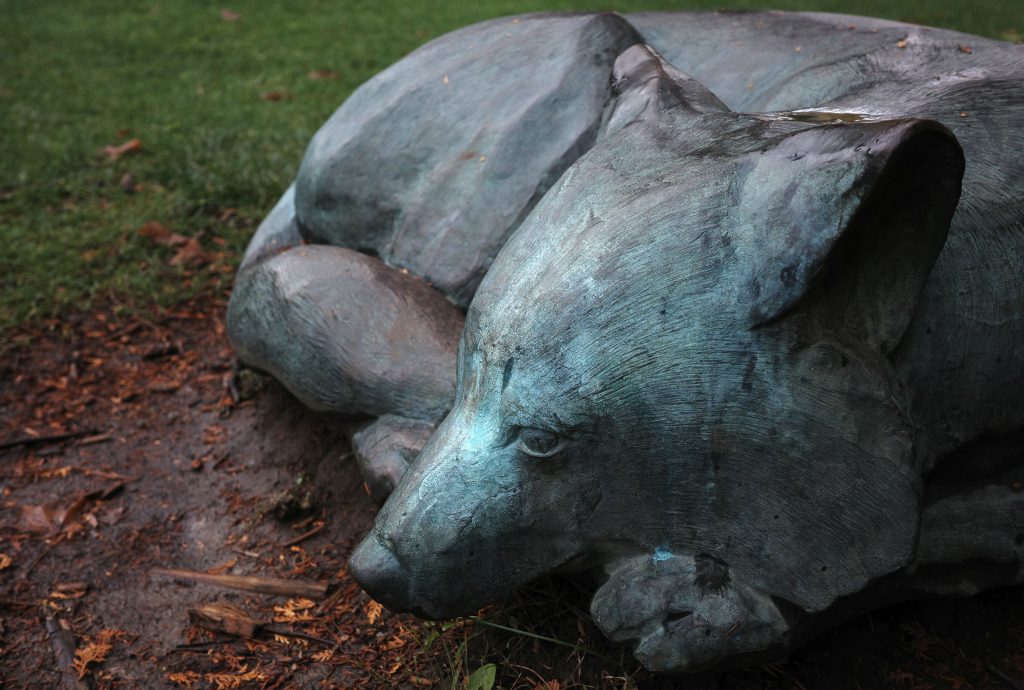
DESPITE OUR prevailing ideas about nature (as governed by hierarchy; as inevitably characterized by privation; as structured by rigid gender roles), the natural world is full of what we might call “radicalism.” Alpha wolves are not, as we once believed, natural tyrants or exceptional, atomized individuals who lord over their lesser kin. Wolf packs operate more like communitarian societies, sharing food and raising their offspring collectively. The sort of stringently hierarchical structures we associate with wolf packs emerge only in captivity, or in moments of intense stress as Rivka Galchen noted in a 2022 New Yorker article. But the “alpha wolf” and all its permutations remain fixtures of our cultural imagination and are consistently cited by incels and others as proof that biological hierarchy is inevitable, immutable, and ubiquitous. Citing nature in this way is usually within the purview of conservative movements, which are, for the most part, interested in peddling supposedly “natural” (i.e., traditional) ways of life. In recent years, however, feminist writers and thinkers like Darcey Steinke are reclaiming “biology,” not as a means of re-instantiating certain biologically essentialist conceptions of gender but to demonstrate how nature chafes against and undermines traditional notions of feminine value. Orcas and elephants are led by postmenopausal females, which Steinke and others consider proof that early human societies were guided by “crones” and which they take more generally as evidence that menopause does not in fact mark a kind of social death for women. One’s femininity and one’s value “as a woman” can, at least among orcas and elephants, be decoupled from one’s ability or willingness to reproduce.
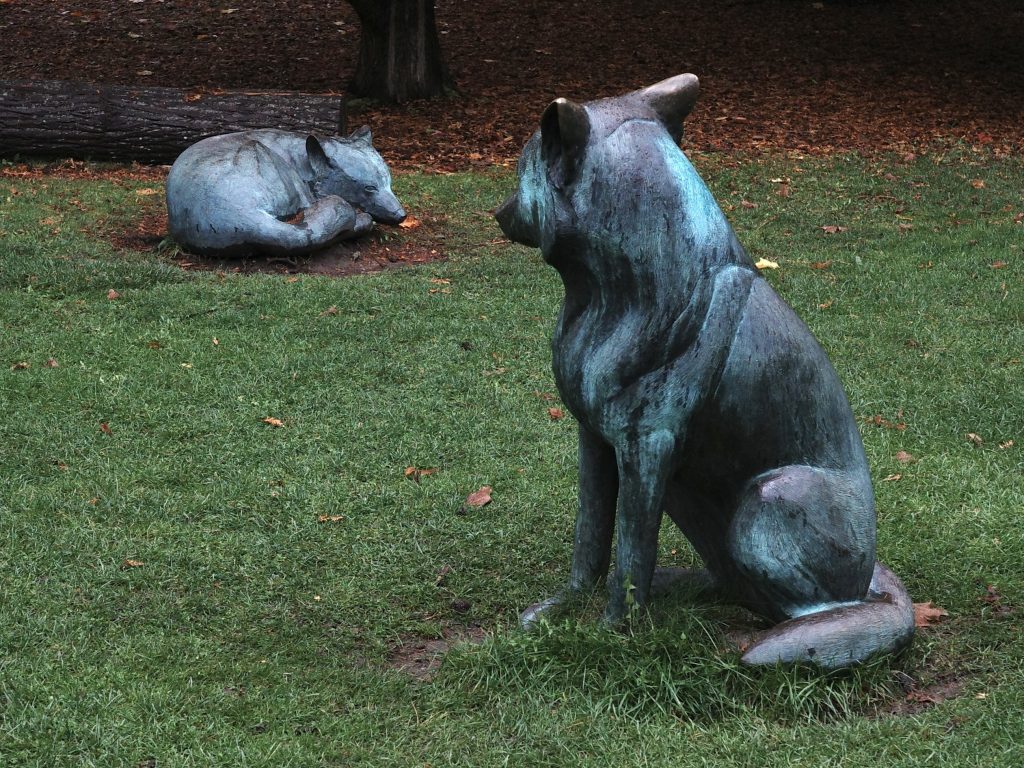
When early Europeans characterized the Indigenous inhabitants of the so-called New World as incapable of distinguishing between the human and the animal, they were no doubt referring to the tendency among Indigenous nations to value animal life, but also to the Indigenous tradition of viewing animals as teachers rather than symbols. Instead of viewing wolves as emblems of hyperindividualism, or as seeing them as manifestations of the Devil like many Europeans in the early modern period (wolves were hunted to extinction in England), nations like the Anishinaabe see wolves as practitioners of a kind of communality and wisdom. They’re proof that being in a world of limited resources does not preclude us from living communally. In English, hawks are associated with aggression—a “hawk” is someone who is pro-war—but for the Dene, hawks teach one gratitude, because they take the long view. Animals aren’t crueller or more authentic iterations of ourselves. Animals are possibilities.
We usually cite nature only when we’re trying to suggest that something about society is primal, inevitable, and fixed. But in fact the natural world is full of change and multiplicity. Rather than viewing nature as a fixed blueprint or repository of traditional values and systems, it may be wiser—and more compassionate—to see nature as a site of constant flux and renewal. “We know nothing for certain,” writes Annie Dillard, “but we seem to see that the world turns upon growing, grows towards growing, and growing green and clean.”

